
The International Press Association of East Africa (IPAEA) has called on the Kenyan government to explain the deportation of American journalist Margot Kiser and her subsequent designation as a prohibited immigrant.
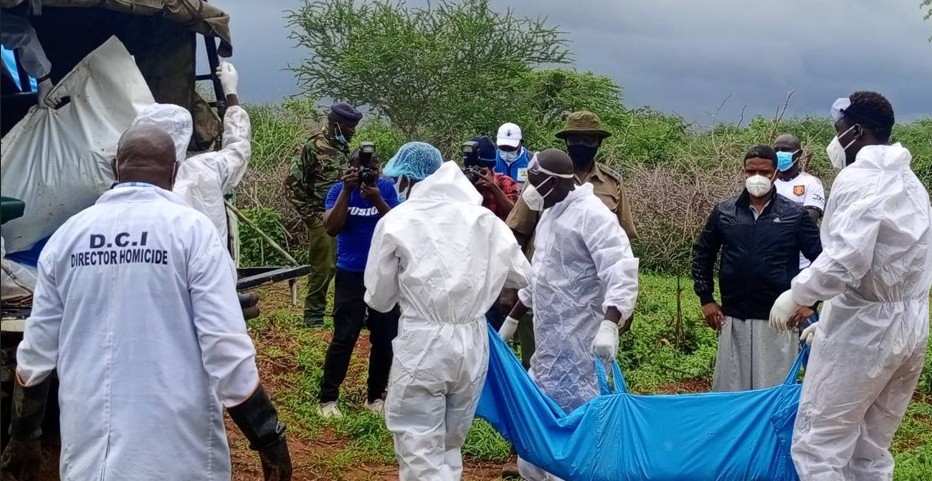
Kiser, who was investigating the Shakahola massacre and had reported concerns that controversial preacher Paul Mackenzie’s young children were being forced to fast.
In a statement issued in Nairobi on Wednesday, October 21, 2026, the association said it was deeply concerned about Kiser’s account of being forcibly removed from her home in Mombasa in October 2025 by officers from the Directorate of Criminal Investigations (DCI), accompanied by armed police officers.
According to IPAEA, a dozen DCI agents arrived at Kiser’s apartment on October 10, 2025, before seizing her electronic devices and taking her away.
“They seized my phones, laptops and other devices, denied me access to a lawyer or even my son, flew me to Nairobi and put me on an Emirates flight bound for New York. I got off in Dubai and stayed there,” Kiser told the association.
Kiser had been investigating the Shakahola massacre, in which followers of controversial preacher Paul Mackenzie were found dead after allegedly being instructed to fast in a religious practice linked to the deaths.
The association also said Kiser had told Children’s Services that Mackenzie’s young children were being made to fast. However, the journalist said she did not know whether her reporting on the Shakahola case was connected to her deportation from Kenya.
After she left, Kiser applied for and was granted a Class K residency permit, according to the association.
She attempted to return to Kenya on March 8, 2026, but immigration authorities denied her entry. It was during this attempted return that she learnt she had been classified as a prohibited immigrant.
According to Kiser, the authorities cited her alleged activities as a threat to “the moral fabric and national security of the Republic of Kenya,” but did not provide evidence detailing the activities in question.
The journalist has since filed a lawsuit against the Ministry of Interior and the Directorate of Immigration, alleging violations of her constitutional rights.
The dispute also extends to reports about how long the stayed in Kenya after her immigration status was allegedly changed.
IPAEA said Kiser disputed an account published by the Daily Nation indicating that she remained in Kenya for approximately six months after being declared a prohibited immigrant.
According to her account, she remained outside Kenya following her deportation and only attempted to return in March 2026.
The association expressed concern over the circumstances surrounding Kiser’s removal and the subsequent refusal to allow her back into the country, saying journalists should be able to carry out their work without facing risks linked to their reporting.
It added that the safety of journalists and their freedom to investigate and report on matters of public interest were essential to protecting press freedom.
The case comes amid wider concerns about how journalists the treated and the legal protections available to media practitioners working on sensitive investigations.
However, the allegations outlined in the association’s statement, including the circumstances of Kiser’s removal and the reasons for her designation as a prohibited immigrant, remain attributed to the journalist and IPAEA.
The association has urged the Kenyan government to clarify the decisions made by the relevant authorities as Kiser pursues legal action over the alleged violations of her rights.