
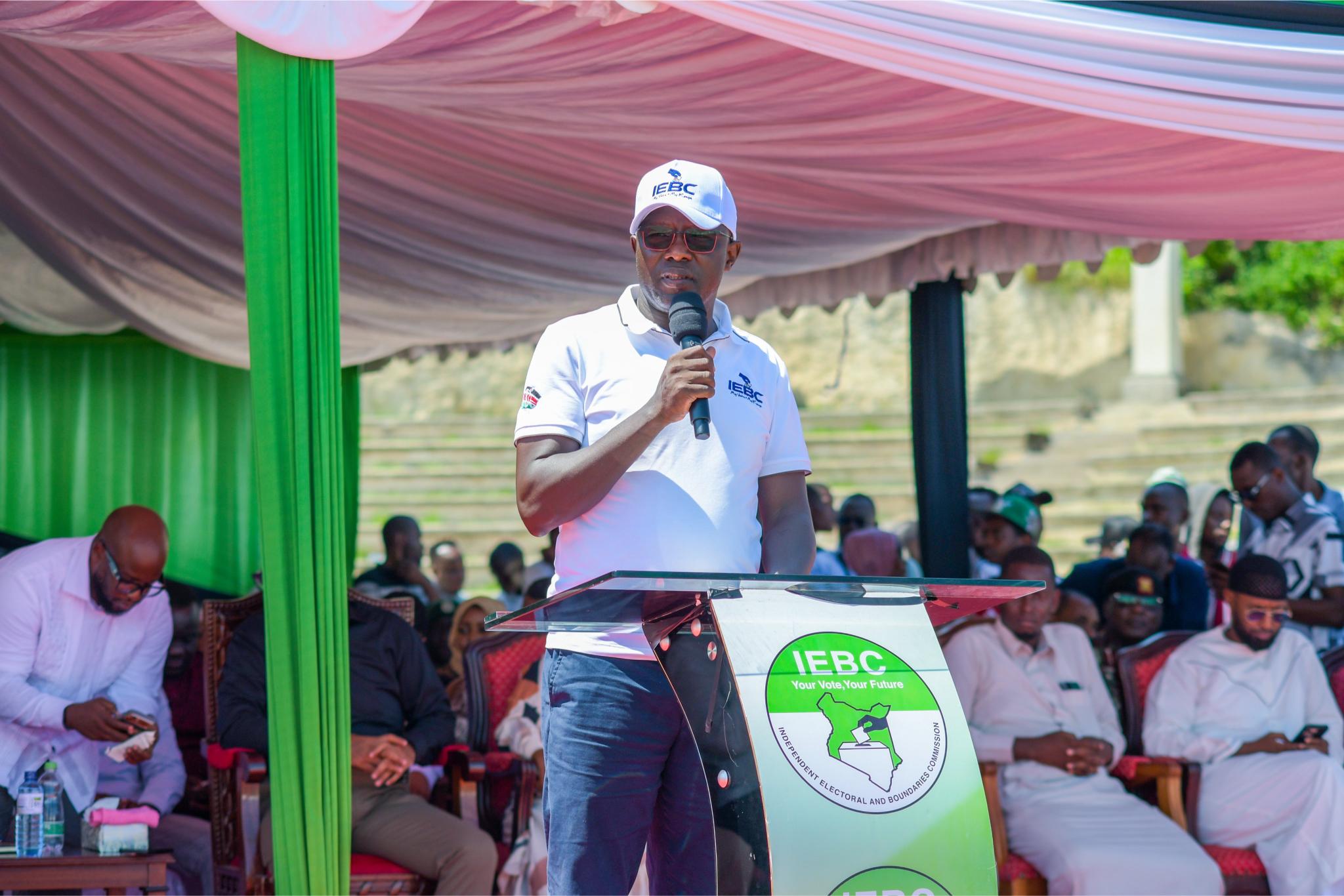
With less than 300 days to the 2027 General Election, the Independent Electoral and Boundaries Commission (IEBC) has reopened the race to acquire election management technology, giving interested companies until Monday, October 19, to submit their bids as the agency works to avoid further setbacks in its preparations.
The commission has set 11am as the deadline for receiving proposals and the time for opening the bids, following a decision by a review board to dismiss a challenge to the tender. The ruling has allowed IEBC to resume the procurement process for the technology needed to manage voting and results transmission.
The contract covers the supply, delivery, installation, testing, commissioning, support and maintenance of the Integrated Electoral Management System (IEMS), as well as the hardware and accessories required to operate it.
The system is a key part of the commission's election plans, supporting voter identification, election-day operations and the transmission of results within the timelines provided by law.
The latest move comes as the agency faces mounting pressure to complete the acquisition and preparation of the equipment early enough to allow for installation, testing and deployment before polling day.
Tender process resumes
IEBC has instructed prospective suppliers to submit their bids by the Monday deadline, with the opening of the proposals scheduled for the same time.
A notice signed by Obadiah Keitany on behalf of the commission secretary and chief executive officer confirmed the new dates but did not announce any other changes to the tender's terms and conditions.
The commission said the clarifications and amendments set out in the latest addendum are part of the bidding documents and apply to every company interested in the contract.
Firms that had already downloaded the tender documents have also been required to acknowledge receipt of the amendments.
The revised timetable gives bidders limited time to complete their submissions after the procurement process was suspended. Once the bids are opened, IEBC will have to evaluate the proposals before selecting a supplier.
The successful company will then be expected to deliver and install the equipment, after which the systems must be tested and commissioned to confirm that they can operate reliably during the election.
The time needed to complete these stages is a major concern, given the approaching election date. Any additional disruption could leave the commission with less time to prepare the technology for use across the country.
A major part of the procurement involves replacing old Kiems equipment acquired for the 2017 General Election while retaining some of the kits purchased ahead of the 2022 polls.
IEBC told Parliament that 45,353 kits are due for replacement, while 14,000 kits acquired in 2022 are expected to remain in use during the next election.
The commission has put its total requirement at 59,352 kits. Of these, 55,393 are intended for polling stations, while 3,959 will be required for training.
The equipment is expected to support the identification of voters and other election-day processes, as well as the electronic transmission of results.
The replacement programme is therefore central to the commission's efforts to ensure that the technology used during the 2027 polls is ready to handle the demands of a nationwide election.
However, the acquisition process has been held back by the tender dispute, adding to the pressure on IEBC to complete the remaining stages within the available time.
Funding shortfall raises concern
The cost of the technology is another challenge facing the commission as it seeks to put its election plans in place.
The procurement has been estimated at about Sh9 billion, while the commission's stated funding requirement for the equipment stands at Sh9.4 billion.
IEBC has so far received Sh4.7 billion, leaving a substantial gap between the money available and the amount required.
The shortfall could complicate efforts to secure all the equipment needed for the election as the agency works to move the tender from the bidding stage to the eventual delivery and installation of the kits.
The commission has also faced scrutiny over the cost and specifications of election-related purchases, putting its procurement decisions under close attention.
Beyond the equipment tender, the agency must ensure that the systems are installed and tested with enough time to address any technical problems before election day.
IEBC's preparations for the 2027 election have also been affected by a prolonged period during which the commission was not fully constituted.
That situation disrupted some preparatory activities, including voter registration and the procurement of election technology, leaving the agency with several tasks to complete as the election approaches.
The tender dispute has added another hurdle to the process, with the commission now expected to move quickly through bid evaluation and the award of the contract.
The agency is also pursuing other technology-related purchases, including radio frequency identification technology for Kiems kits and a telecommunications network to support the equipment.
These systems form part of the wider technical arrangements required to support the use of election technology during voting and the transmission of results.
In addition to securing the equipment, IEBC must allow sufficient time for delivery, installation, testing and commissioning to establish that the technology can function under actual election conditions.
Poll experts maintain that the delays could point to a lack of preparedness on the part of the elections management agency.
With the procurement process now back on course, the commission faces the task of ensuring that the remaining procedures are completed without further interruptions, while addressing the funding gap and other logistical demands ahead of the 2027 General Election.