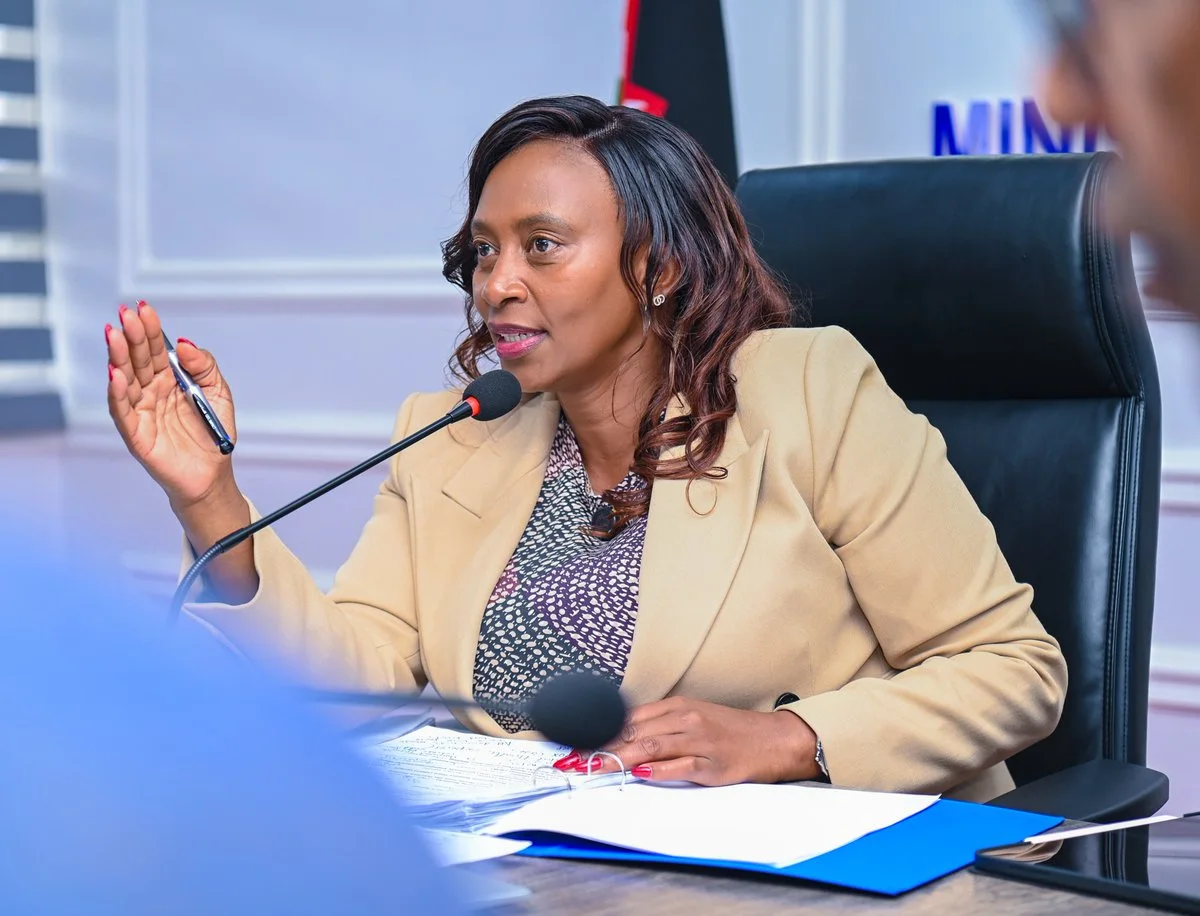
Public Health and Professional Standards Principal Secretary Mary Muthoni has urged Kenyans travelling to Ebola-affected areas to notify health authorities and maintain strict hygiene as the government strengthens measures to prevent further transmission of the disease.
Muthoni said people visiting areas where infections have been detected should take precautions and cooperate with health officials to support surveillance and the early identification of possible exposures.
“If you must travel to an affected area, inform the health authorities and wash your hands frequently,” Muthoni said on Sunday in her X account.
Her advice comes as Kenya continues to respond to Ebola Virus Disease cases linked to the Bundibugyo virus, with health authorities conducting contact tracing, monitoring exposed individuals and reinforcing surveillance to limit the risk of further infections.
The guidance places emphasis on early communication with health officials, particularly for people who may have travelled to affected areas or come into contact with suspected or confirmed cases.
Muthoni urged the public to observe preventive measures, including frequent handwashing with soap and water, while avoiding direct contact with the blood and other bodily fluids of infected people.
Ebola is a severe viral disease that can cause serious illness and death. Transmission can occur through direct contact with the blood, secretions and other bodily fluids of an infected person, as well as contaminated materials.
Symptoms may include fever, severe headache, muscle pain, vomiting and diarrhoea. Unexplained bleeding can also occur, although it is not present in every case.
Because these symptoms can resemble those of other illnesses, suspected infections require prompt medical assessment and appropriate laboratory testing.
People who develop symptoms after possible exposure should contact health authorities immediately and follow official medical guidance. They should avoid close contact with others while awaiting assessment to reduce the risk of potential transmission.
The government’s advice also highlights the importance of sharing travel information with health officials, who can assess possible exposure and determine whether monitoring or other public health measures are necessary.
The Ministry of Health has continued to monitor the outbreak through case investigation, contact tracing and surveillance aimed at identifying infections and preventing further spread.
Contact tracing is a key part of the response because it enables health workers to identify people who may have been exposed to an infected person, assess their risk and monitor them for symptoms during the relevant period.
Authorities have also been encouraging people identified as contacts to cooperate with health teams and report any symptoms promptly.
The response requires coordination between health facilities, surveillance teams, laboratories and communities, particularly where people have travelled across borders or interacted with individuals from affected areas.
Muthoni’s appeal comes amid heightened concern following the confirmation of additional Ebola cases in Kenya. The Ministry of Health has been working to trace identified contacts and monitor people considered at risk.
The effectiveness of these measures depends on timely reporting, accurate information and cooperation from members of the public. Delayed disclosure of travel or possible exposure can complicate efforts to identify contacts and interrupt transmission.
Health authorities continue to advise Kenyans to avoid direct contact with bodily fluids from suspected or confirmed cases and to follow instructions issued by trained health workers.
People should not rely on symptoms alone to determine whether they have Ebola, given that fever, headache and muscle pain can occur in several other diseases.
Anyone who believes they may have been exposed should seek guidance from health authorities rather than attempting to manage a suspected infection without medical support.
Muthoni’s message reinforces the role of individual responsibility in the national response, particularly as authorities seek to identify possible infections early and prevent further transmission.