
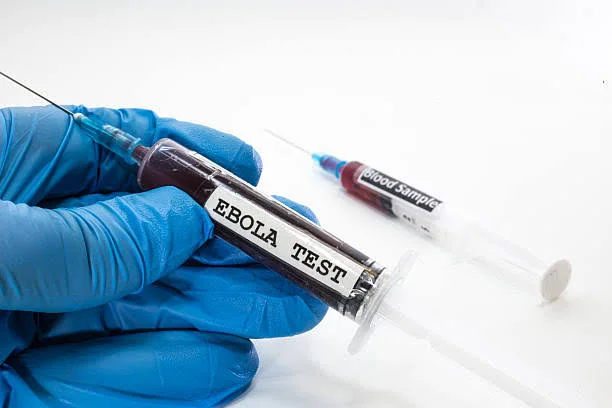
Canada has updated its travel advisory for Kenya after confirming an Ebola case in Nairobi, urging travellers to follow health precautions amid concerns about the spread of the Bundibugyo virus.
In its updated guidance issued on October 7, 2026, the Canadian government added an Ebola outbreak monitoring alert, advising visitors to follow local health guidelines and take precautions to reduce the risk of infection.
The advisory comes after Kenya confirmed its first case of Bundibugyo virus disease, a form of Ebola, involving a Kenyan national who had travelled from the Democratic Republic of Congo (DRC).
“Monitor your health while in Kenya and for 21 days after you leave. If you develop symptoms of Ebola disease, isolate yourself from others and seek medical care right away,” read the advisory in part.
The Canadian government has advised travellers to monitor their health while in Kenya and for 21 days after leaving the country.
Visitors who develop symptoms associated with Ebola have been instructed to isolate themselves from others and seek medical attention immediately.
The advisory also urges travellers to avoid contact with suspected Ebola patients, contaminated items and the bodies of people who have died from Ebola or unexplained illnesses.
Travellers have further been advised to avoid healthcare facilities in affected areas unless they require urgent treatment and to maintain appropriate hygiene.
The Kenyan Ministry of Health has intensified surveillance and contact tracing after confirming the imported case.
Kenya has also strengthened screening at Jomo Kenyatta International Airport (JKIA) and other entry points to prevent further transmission.
Health Cabinet Secretary Aden Duale maintained that a single imported case does not, on its own, constitute a wider outbreak, while health officials continue monitoring individuals who may have been exposed.
On August 8 2026, China provided Kenya with a US$2 million (Sh259 million) grant, of which US$1 million will support Ebola preparedness and response, while the other US$1 million will go towards drought relief.
Kenya is also pursuing US$400 million (Sh51.8 billion) in emergency financing from the World Bank through its Rapid Response Option to address multiple crises, including Ebola-related health risks, potential El Niño impacts, and pressure from rising energy prices.
Despite adding the Ebola-related health alert, Canada continues to advise its citizens to exercise a high degree of caution when travelling to Kenya because of terrorism threats and high crime rates.
The country's existing advisory also warns against travel to specific areas, including parts of Mandera, Wajir, Garissa, Lamu, Turkana and Marsabit counties, because of security risks. In Nairobi, Canada has warned its citizens not to travel to Kibra because of a high crime rate.
The Ebola update therefore adds health precautions to Canada's existing guidance rather than imposing a blanket ban on travel to Kenya.
Travellers have been advised to consult the Canadian government's official travel advisory for Kenya for the latest guidance before departure.